
10 days across dairy: Inside Australia’s first dairy-focused landing pad
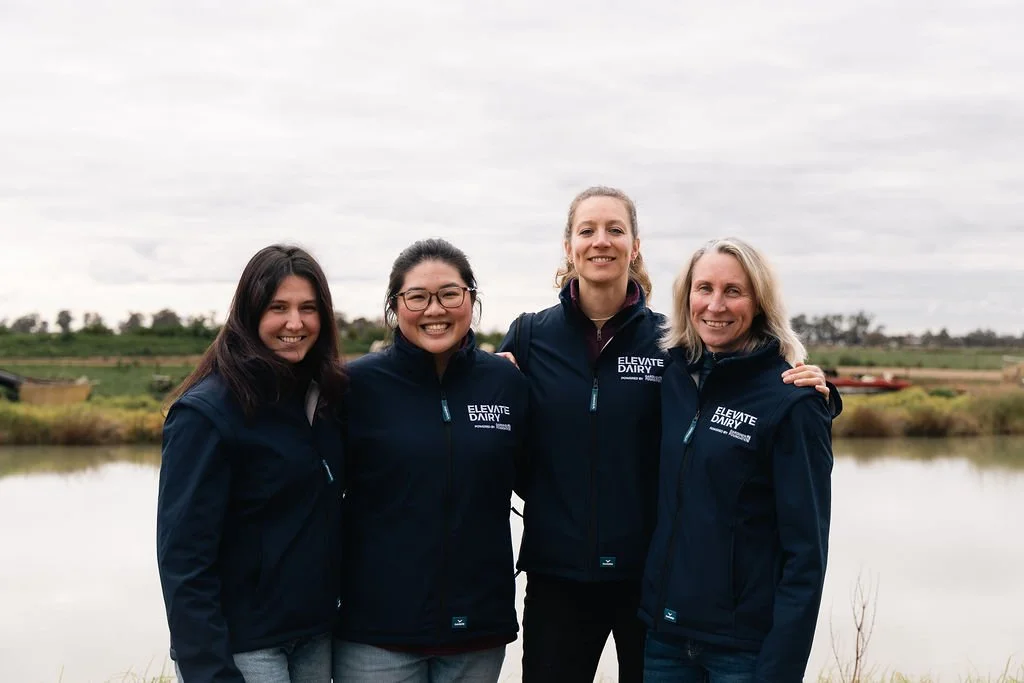
The Elevate Dairy Delivery Team: Natalia Rebollo Sampedro (Associate, Beanstalk AgTech), Ming Fung Chua (Project Leader, Beanstalk AgTech), Jolien Paalman (Principal, Beanstalk AgTech) and Donna Gibson (Program Manager, Research and Innovation, Gardiner Foundation)
Ming Fung Chua, Project Leader
Our team at Beanstalk just wrapped up one of the biggest in-person milestones for Elevate Dairy so far: a 10 day innovator roadshow across Victoria's three dairy regions. Elevate Dairy is Australia’s first dairy-focused landing pad, powered by Gardiner Foundation and delivered by Beanstalk AgTech. Elevate Dairy is a landing pad that brings proven agtech innovations from around the world into the Victorian dairy industry, strengthening industry resilience and helping keep dairy farmers dairying.
Seven innovators, shortlisted through a rigorous evaluation process, spent 10 days visiting farms and presenting at Innovator Showcases across Gippsland, Murray and West Victoria. Getting them there took six months of planning behind the scenes, more on that further down. Three things stood out by the end of it: the importance of trusted local collaborators to get farmers involved, the building of confidence in agriculture is still at face-to-face process, and scaling an agtech innovation requires bringing the whole ecosystem, not just the farmer, along for the journey.
What is Elevate Dairy, and what is a landing pad?
Elevate Dairy is Victoria's first dairy-focused landing pad, powered by Gardiner Foundation and delivered by Beanstalk AgTech. Elevate Dairy is a multi-year program designed to help farmers and innovators overcome innovation adoption barriers. It provides a platform for two groups: Victorian dairy farmers looking to continuously improve their operation but are hesitant to engage with unfamiliar technology, and global innovators looking to scale. A landing pad is our Beanstalk model for bringing proven agtech, often built and tested overseas, into a specific local market and giving it a genuine shot at commercial success here. Landing Pads go beyond an introduction, offering structured support to help an innovator understand the market, build the right partnerships, and adapt their product to local conditions before they try to scale. One way we build these partnerships is by bringing the innovators to market and developing a program of farm and industry visits, introductions and technology showcases.
For the Elevate Dairy market visit, we had over 65 applications from innovators around the world, and had the tough decision to pick only a handful to come to Victoria. Every innovator went through multiple rounds of evaluation and due diligence, consisting of interviews from the Delivery Team, evaluations from a Technical Expert Panel and lastly, a presentation and Q&A with the Industry Advisory Committee made up of active dairy farmers, veterinarians, agribusiness executives and researchers, leading to the shortlist of the applicant pool.
Seven innovators for our first cohort were selected: Surge Energy, Levno, Skelex 360 (K2 Agri), Resolution Farming App, UNIFORM-Agri, Trev and Ocean2Earth. The roadshow was the first time all seven stood in front of Victorian dairy farmers. You can learn more about each of them at www.elevatedairy.com.au.
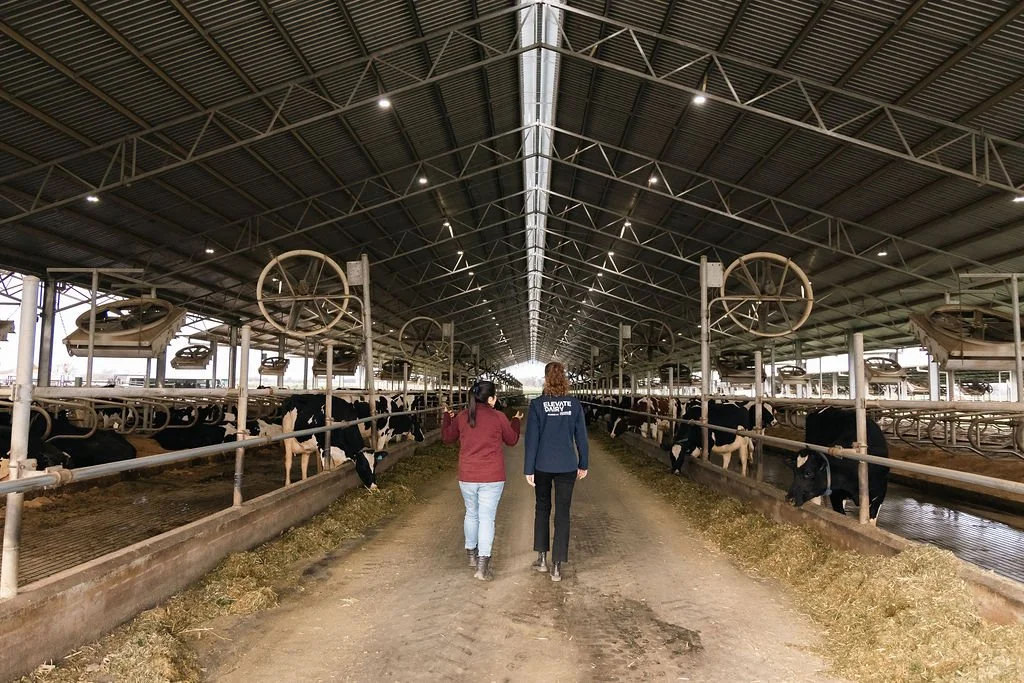
Ming Fung Chua and Jolien Paalman walking down the shed at Shannon Pastoral
The preparation to enter Victoria began before they arrived
Pulling off ten days on the road took six months of planning behind the scenes. The roadshow was basically thirteen distinct events in one – Welcome Session, Welcome Reception, three Innovator Showcases, six farm visits, one processor visit and a workshop. That meant hundreds of phone calls and emails to accommodation providers, AV companies, venues, transport companies, caterers and restaurants, on top of coordinating travel plans and approvals with each innovator, the farmers hosting visits, regional co-hosts and special guest speakers.
The planning phases was an extremely hectic period, and most of the time you could have found me crossing my fingers. For example, while booking accommodation, questions such as – “Could we book a block of 17 rooms at a small Warrnambool motel in Warrnambool for 2 nights? Could it provide good value but also a good night’s sleep? Was it walking distance to town for dinner?” would run-through my mind in various forms for other logistical components.
The finer details mattered just as much, from where we stayed to the food we put in front of everyone, since that makes a real difference on a trip this long when the same group is travelling together for ten days. I also had to build in time in the program for the innovators to keep on top of their own businesses, since every innovator was a leader in their own company, and those the business did not stop running just because they had committed 10 days to the roadshow.
Ten days, three regions, one innovator roadshow
Before anyone got on a plane to Victoria, we ran a series of masterclasses to help each innovator refine their pitch, and gave them access to the Elevate Dairy Virtual Academy: over 80 chapters covering everything from Australian agriculture and agtech through to the granular detail of the dairy landscape. It meant they arrived already understanding the landscape and how farmers were likely to respond.
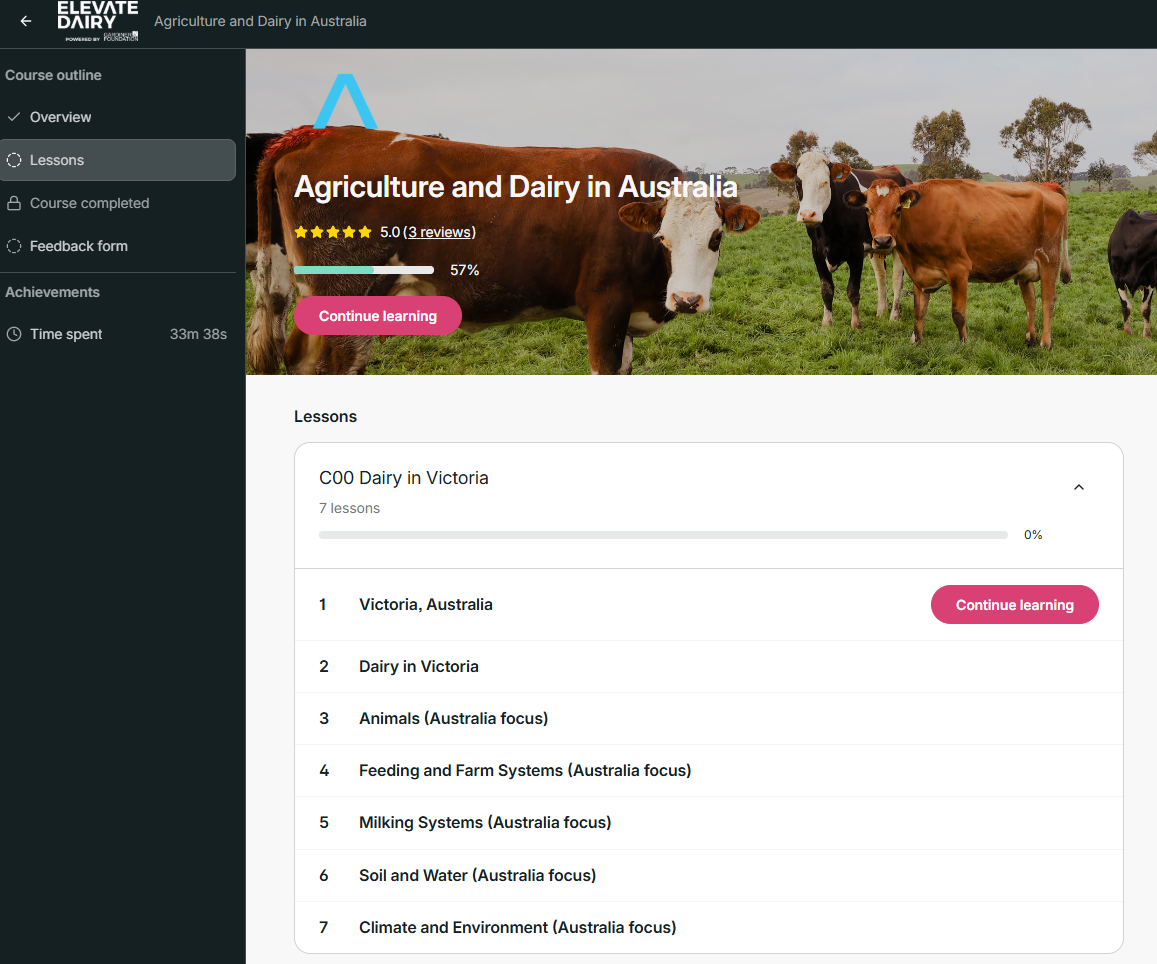
Screenshots from the Elevate Dairy Virtual Academy
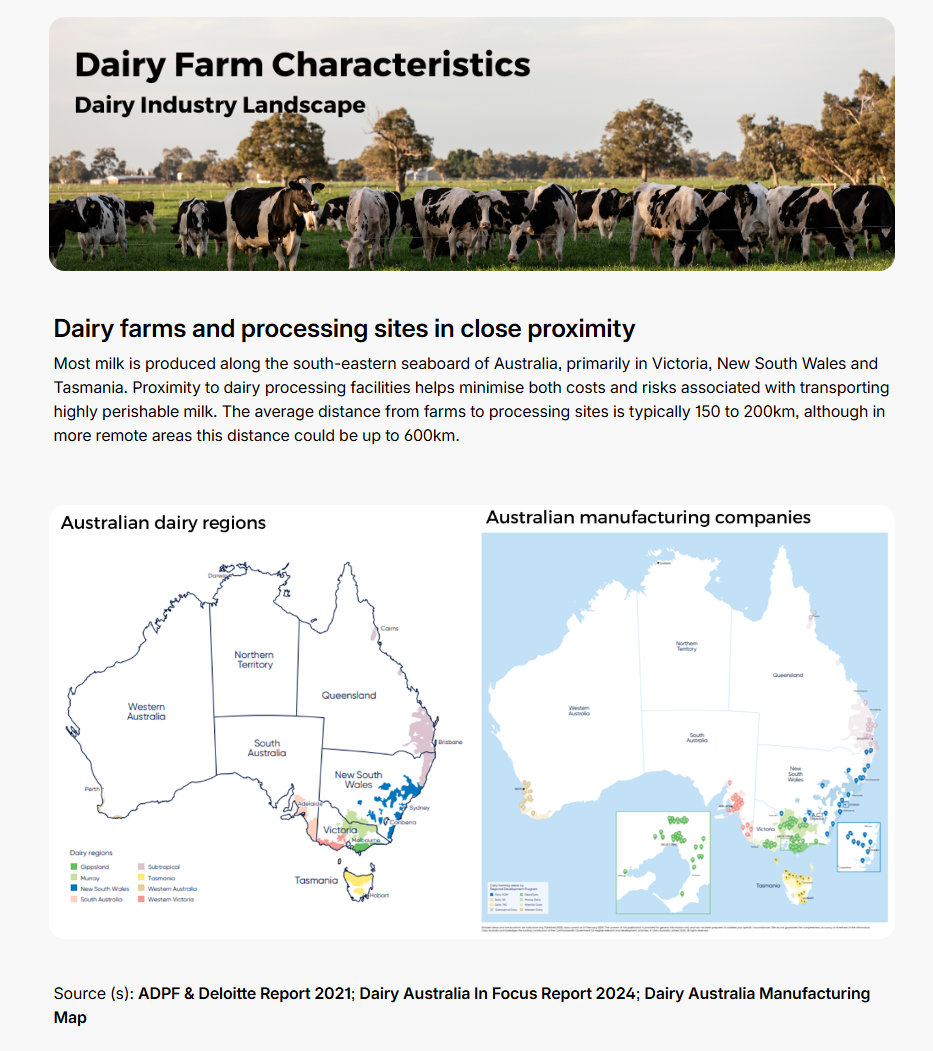
Screenshots from the Elevate Dairy Virtual Academy
The roadshow itself ran for 10 days and began in Melbourne with a welcome information session. Innovators heard from Agriculture Victoria, about the state's role in supporting agtech innovation, followed by a session with Dairy Australia on the sector and where dairy innovation is heading. The day closed with a Welcome Reception with more than 50 agriculture and dairy industry professionals.
From there, Beanstalk, Gardiner Foundation and our seven innovators spent two days touring each of Victoria's three dairying regions: Gippsland (Morwell), Murray (Shepparton), and West Victoria (Warrnambool). Each stop followed the same format:
Day 1 - Farm Visits: innovators learnt about the regional differences, from climate and existing infrastructure available to understanding the farmer decision-making process. Travelling across Gippsland, Murray and West Victoria, all in one state, made clear how much variation exists between regions: different pasture management approaches, different rainfall and seasonal patterns, and different business structures. For example, a sharefarmer tends to invest more heavily in the herd itself, while an owner-operator often spreads investment more evenly across the herd and their people. Being on the farm itself is what got people talking honestly, and innovators got to see operations first-hand.
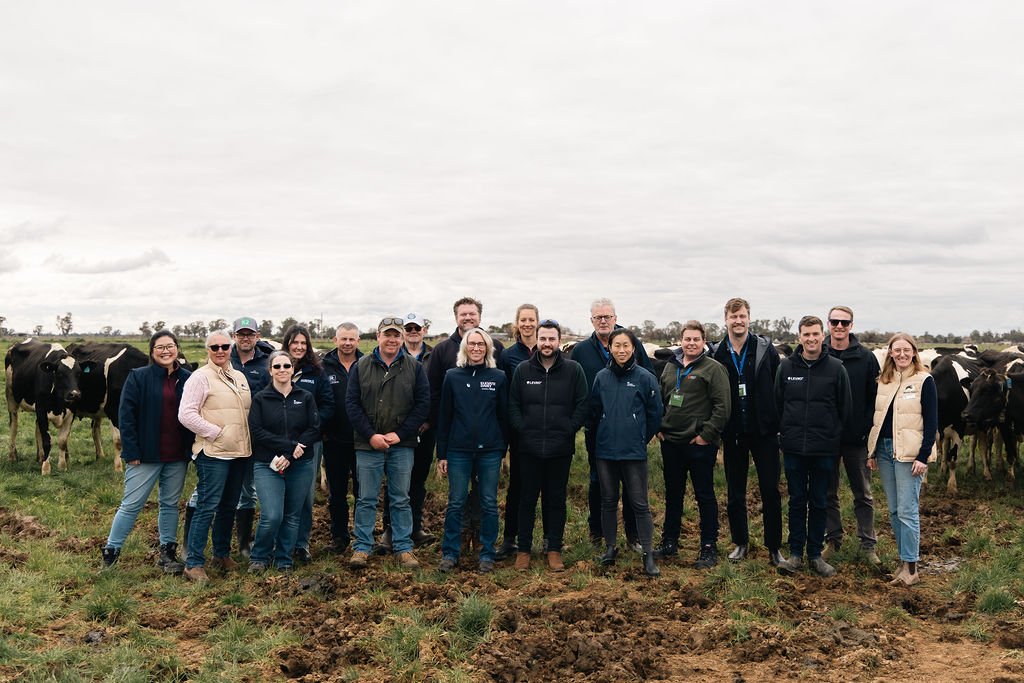
The Elevate Dairy Cohort, Murray Dairy and Dairy Australia at Nick Minogue’s farm in Murray.
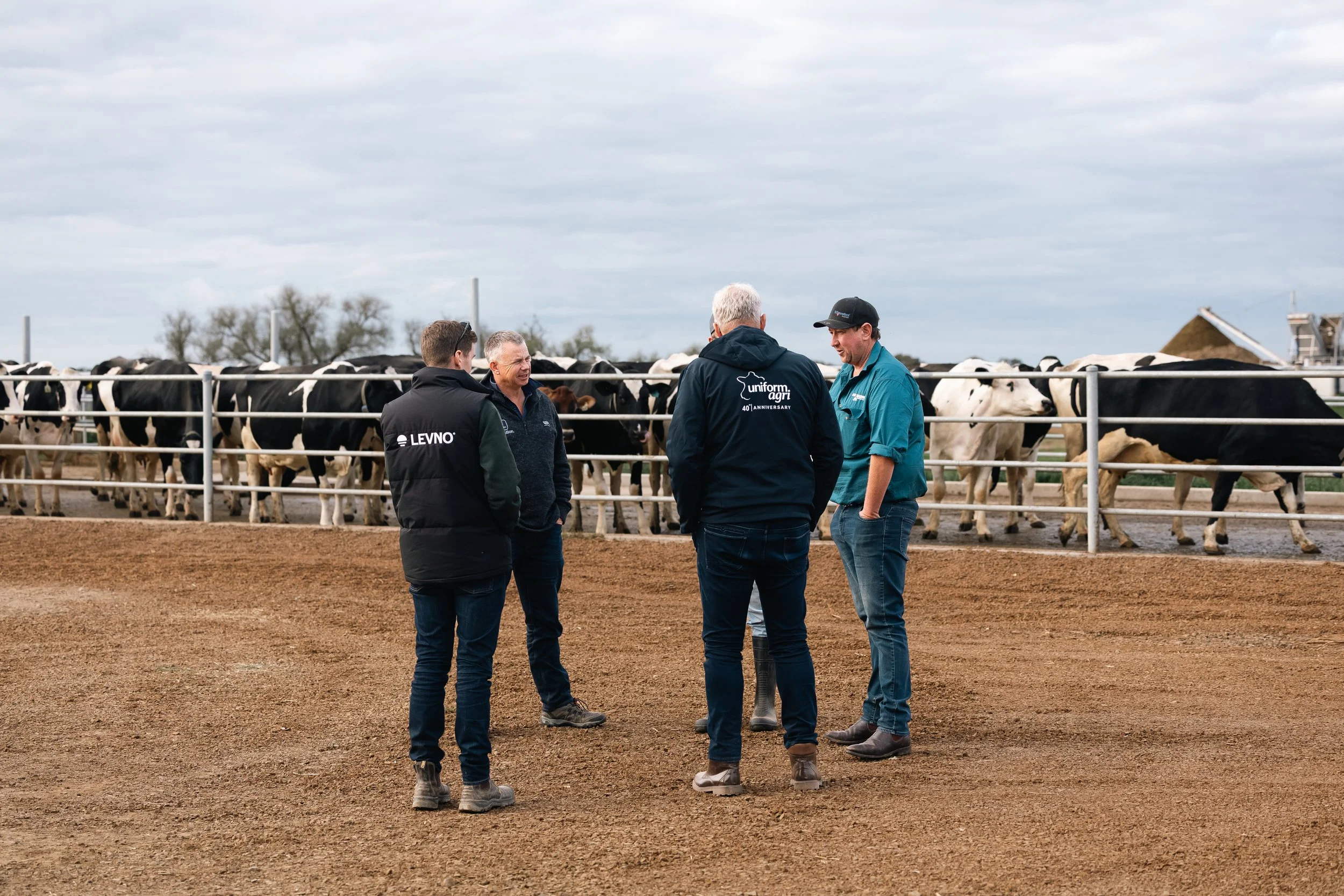
Innovators from Resolution, Levno and UNIFORM-Agri speaking to Nick Shannon at Shannon Pastoral.
Day 2 - Innovator Showcases: One of the most important events during the roadshow, a structured session where each of the seven innovators present their technology to a room full of dairy farmers, service providers and processors. Farmers were able to provide direct feedback, point out which features mattered more locally than in the innovator's home market, what needed improving, which local partners a company would need to succeed, and what to watch out for when scaling in that region.
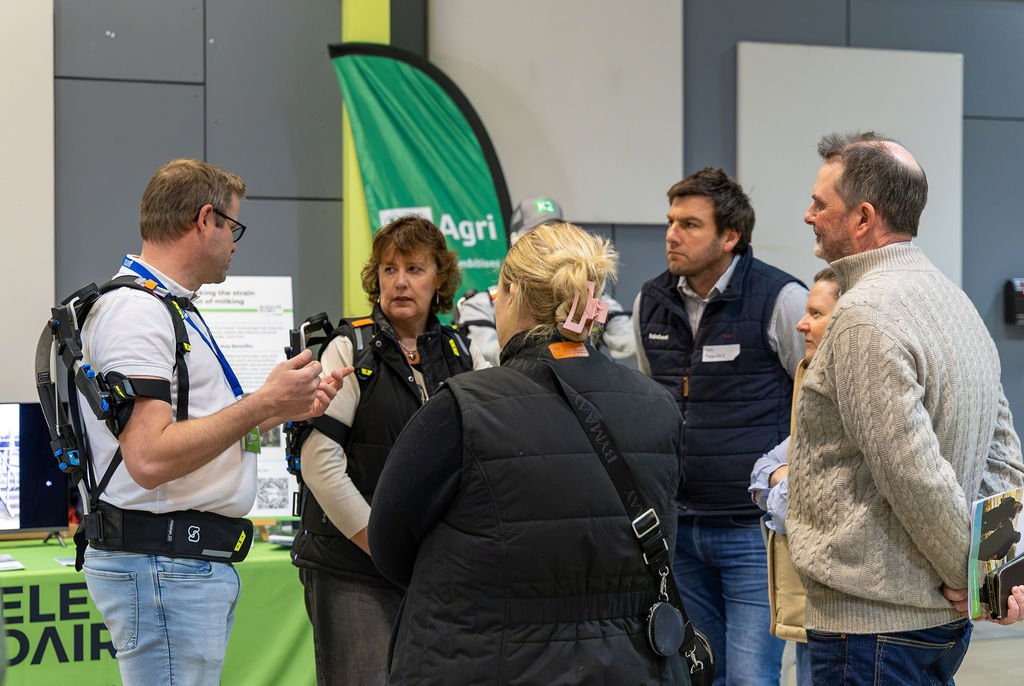
Sander Nijskens from K2 Agri demonstrating Skelex 360 and an attendee trying it on.
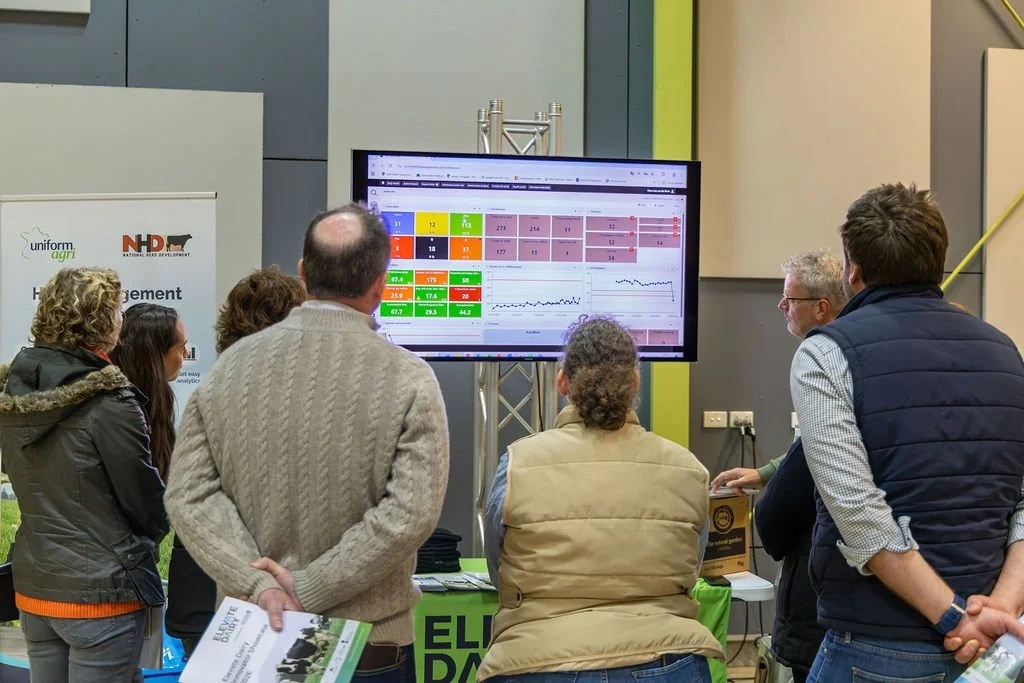
Harm-Jan van der Beek from UNIFORM Agri giving a demonstration of the UNIFORM herd management platform.
We closed the roadshow with a workshop just for the innovators, where each one sat down one-on-one with a member of the Elevate Dairy team, both Beanstalk and Gardiner Foundation, to reflect on everything they had learned over the 10 days. Together they worked through what they now understood about their target market and customer, sharpened their product, value proposition and positioning, tested whether the market here actually validates their business, and refined their go-to-market strategy.
Three key learnings to making a landing pad work
1. Trusted local collaborators drive stronger farmer attendance and participation
The success of a landing pad like Elevate Dairy is built on genuine collaboration with trusted local groups. In this case, that meant partnering with GippsDairy, WestVic Dairy, Murray Dairy, Dairy Australia, and leveraging the depth of the Gardiner Foundation's alumni network. Those relationships are what got farmers to attend the showcases and made the feedback to innovators honest rather than polite. These relationships are also what will carry these innovators past the roadshow. As each company moves into the next stage, the same trusted networks will help set them up to scale.
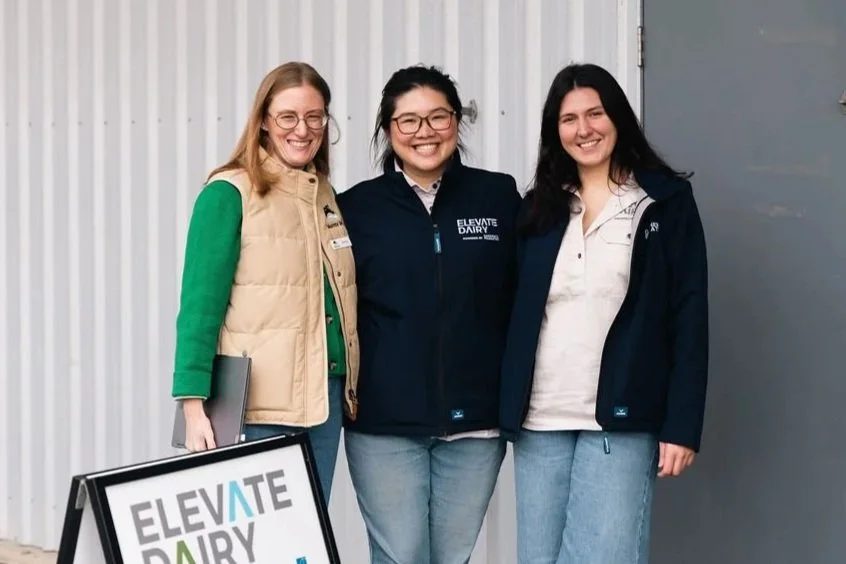
Amy Fay (Executive Officer, Murray Dairy), Ming Fung Chua (Project Leader, Beanstalk AgTech) and Natalia Rebollo Sampedro (Associate, Beanstalk AgTech)
2. Confidence in agriculture is still built face to face
Agriculture still runs on confidence built face-to-face, and dairy is no exception. Farmers build confidence in a person or a new product by seeing it, touching it and asking questions, not by reading a spec sheet. That caution is justified: adopting a new piece of kit on farm is capital intensive, and money spent on one solution is money not available for something else. It is effectively a bet on where they think their margin will improve most.
The feedback from the showcases was consistent: farmers appreciated that the Innovator Showcases were set up in a relaxed way and did not feel like they were forced to purchase something. They provided a neutral platform that allowed attendees to learn about new innovations, ask questions, see and try things for themselves.
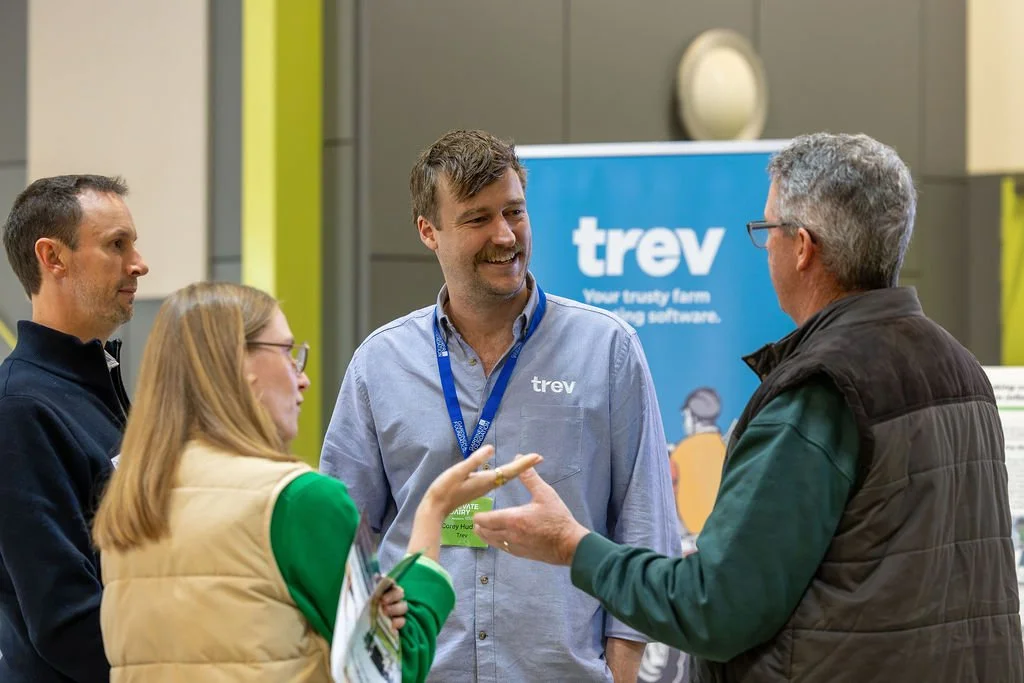
Corey Hudson from Trev speaking to Innovator Showcase attendees
3. Scaling is a journey - bring the whole ecosystem with you
Farmers are the centre of Elevate Dairy, but they're not the only stakeholders who matter when it comes to increasing adoption of new agtech tools. Banks decide whether the funding is available, processors have their own requirements for what happens on farm, and the people running the dairy day to day, the ones milking and working with the herd, need to be able to use whatever gets adopted. Industry bodies need a clear sense of farmer interest too, so they can direct support to where it's needed. This landing pad demonstrates that scaling an innovation means bringing this whole ecosystem along, not just the farmer standing in front of it.
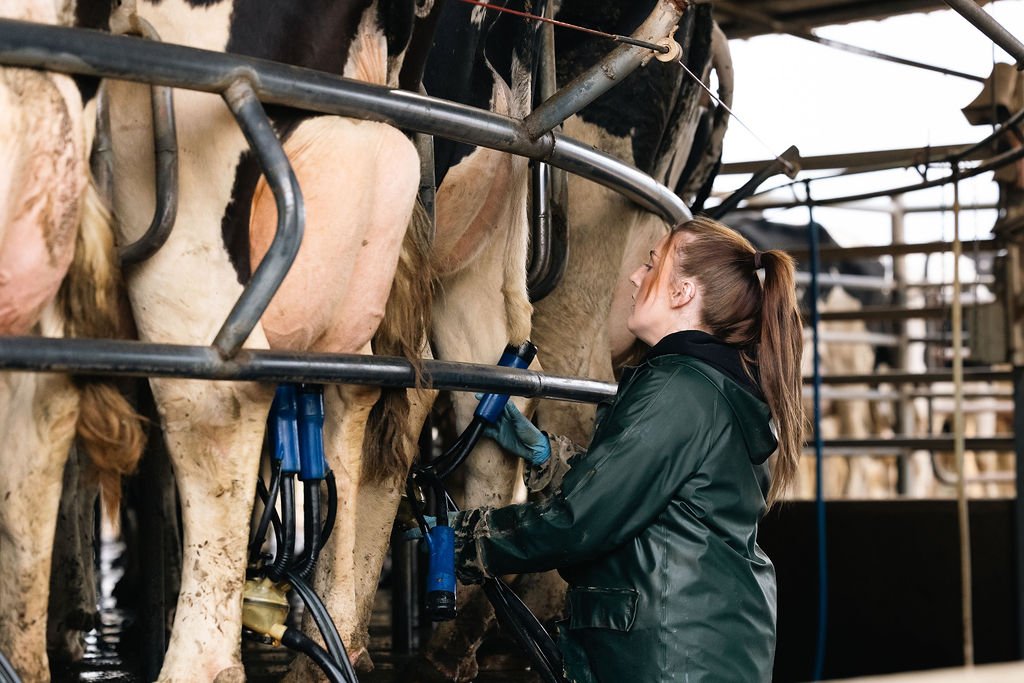
A Shannon Pastoral team member milking at the dairy
Ten days on the road gave seven innovators a genuine view of what it takes to succeed in Victorian dairy and gave farmers a real say in shaping that outcome, rather than having a technology handed to them fully formed. It also reinforced why we think an in-person component matters so much for a landing pad: it is how trusted relationships get built, and those relationships are what actually drive adoption. In the very end, adoption relies on people, not just the technology itself.
The innovators now head into the next stage of the program with a far clearer picture of the market they are trying to enter and a head start on the relationships they need, which is exactly the model Elevate Dairy will keep building on as more innovators come through the program.
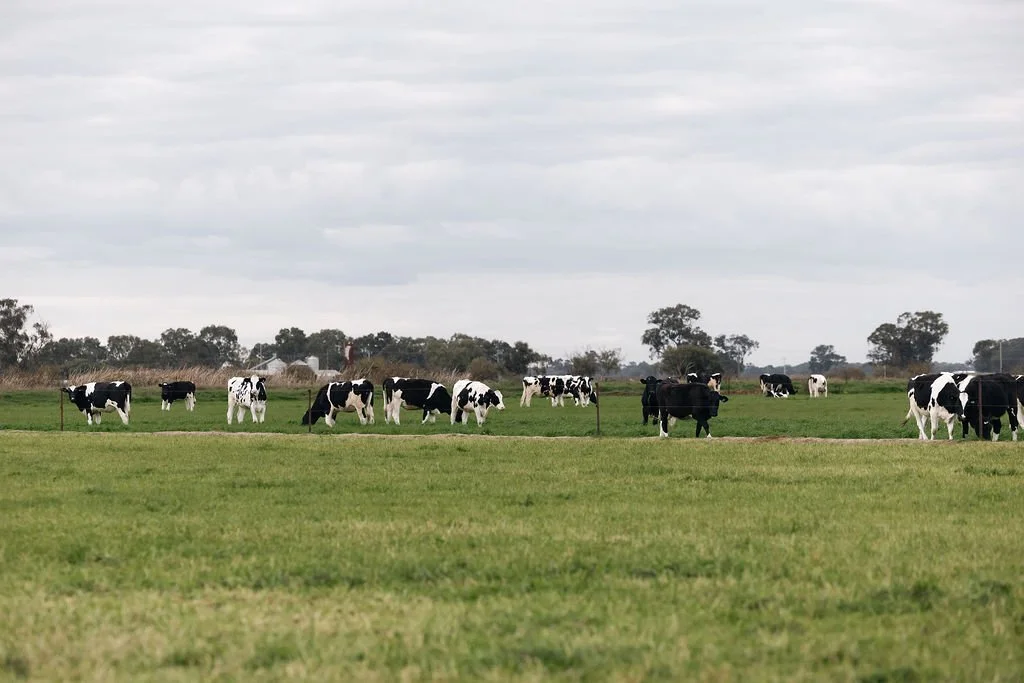
Holsteins grazing at Shannon Pastoral